

Great design is about how a space makes you feel. Design trends in Canada increasingly favour clean lines, natural materials, and a more intentional approach to living spaces. Whether you are planning a full renovation or simply looking for ways to refresh your space, these styles offer something genuinely timeless.
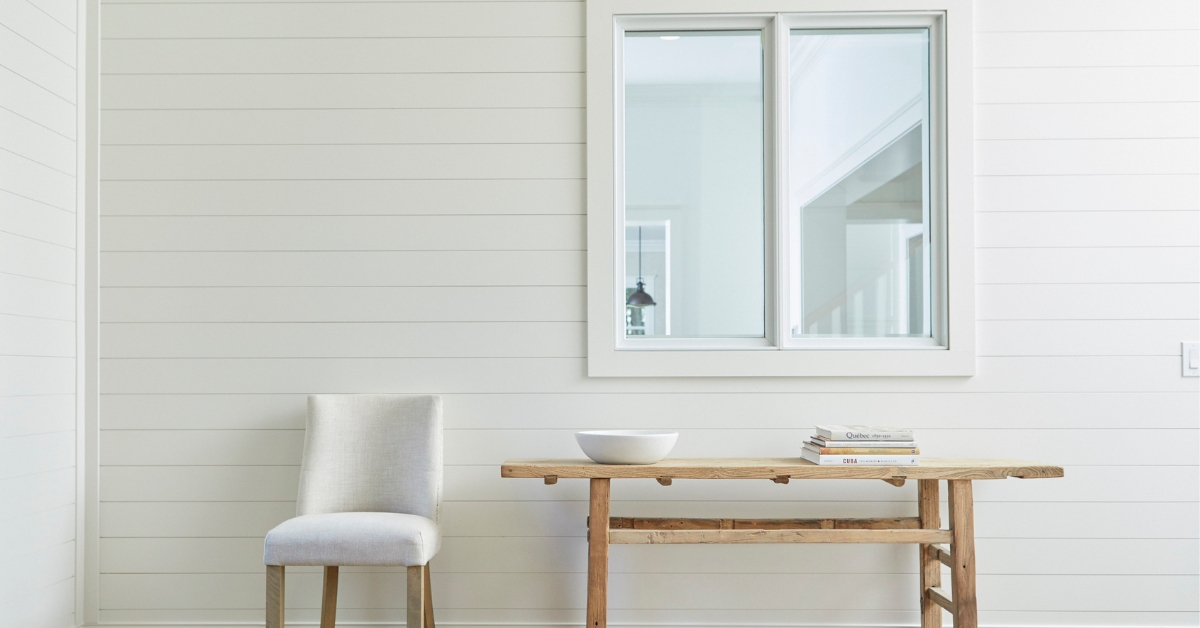
What is Scandi Design: And Why Canadians Love It
Scandinavian design was born out of necessity. In countries where winter brings months of limited daylight, homes needed to feel as bright, warm, and liveable as possible, regardless of what was happening outside. The result was a design philosophy that prioritizes natural light above almost everything else, pairing it with clean lines, functional furniture, and a warm simplicity that has resonated with homeowners worldwide for decades.
At the core of Scandi interior design is the concept of hygge — a Norwegian and Danish word describing a mood of cozy contentment and comfortable togetherness. It is less a decorating style and more a feeling you design toward. Pale wood, wool throws, greenery, and generous windows that let the outside world in even when it is too cold to go out.
The Scandi colour palette is predominantly white and light grey with natural wood tones and occasional touches of black for contrast. The Scandi approach to making a home feel like a retreat from the cold is something many of us already practice instinctively.
Product Recommendation: The JELD-WEN JWC8500 Series in white is a natural match for Scandi interiors. The 26% slimmer frame maximizes glass area, flooding your space with natural light. Pair with JELD-WEN sliding patio doors for a seamless indoor-outdoor connection.
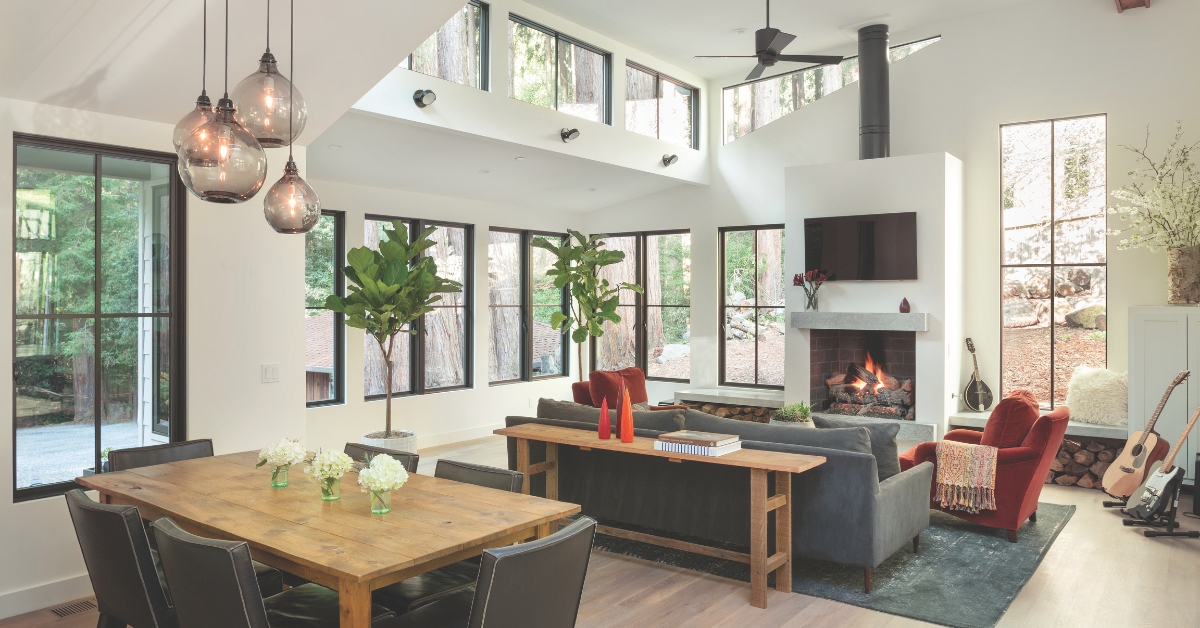
What is Japandi Design: Where Minimalism Meets Warmth
Japandi is one of the most talked-about home design trends in Canada right now. It takes the brightness and functionality of Scandinavian design and grounds it with the restraint, craftsmanship, and quiet elegance of Japanese minimalism, creating something that feels simultaneously warm and calm, bold and understated, modern and timeless.
Where Scandi leans light and airy, Japandi leans intentional and earthed. The palette shifts from white-dominant to a richer combination of warm neutrals and deeper earth tones: charcoal, terracotta, warm brown, forest green. These darker shades sit against lighter bases to create rooms that feel grounded and sophisticated without being heavy.
Natural materials are central to the Japandi aesthetic: raw wood, stone, linen, and clay. Handmade objects with slight imperfections are prized over mass-produced pieces. Quality over quantity at every turn. In 2026, Japandi interior design is evolving into what designers are calling Dark Japandi. A moodier direction that uses charcoal, walnut, and deep earth tones to create spaces that feel intimate and sophisticated. It is Japandi with more depth, more contrast, and even more intention.
Product Recommendation: The JELD-WEN JWC8500 Series in FiniShield™ black or charcoal delivers exactly what Japandi interior design calls for. Available in dual-pane and True Tri-Pane™ for year-round Canadian comfort, with Low-E glass options — SunFlow™, SunStable™, SunResist™, and HeatSave™ — for optimal performance in any Canadian climate.
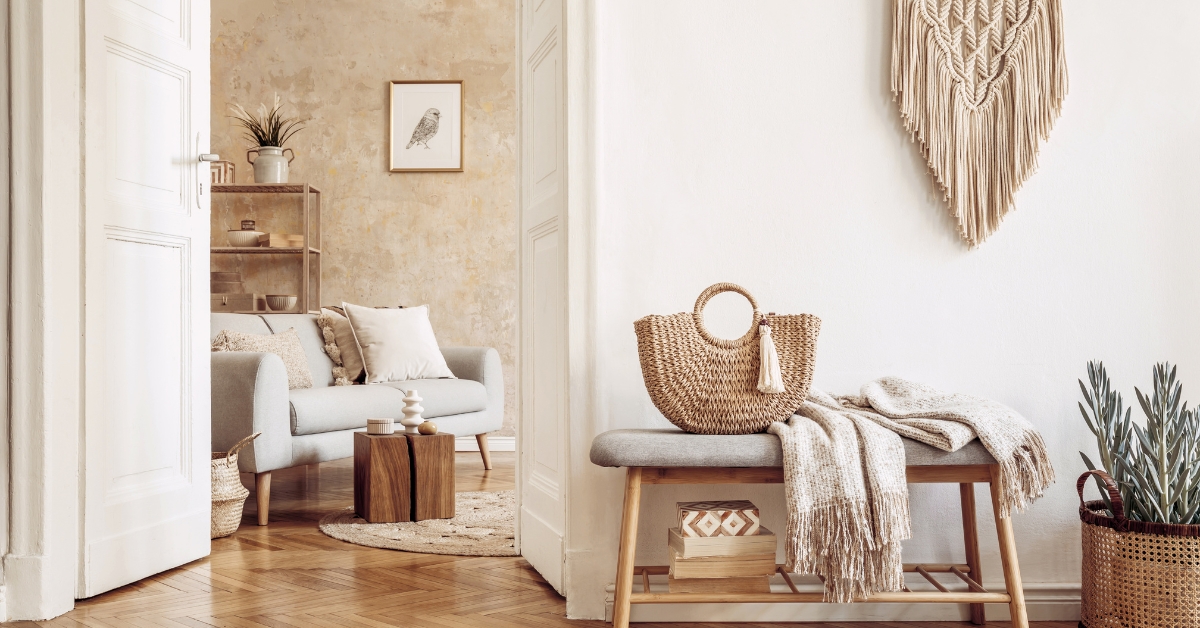
What is Wabi-Sabi Design: The Beauty of Imperfection
Wabi-Sabi is a Japanese philosophical concept rooted in finding beauty in imperfection, impermanence, and the natural cycle of things aging over time. It asks you to look at a worn wooden floor, a cracked ceramic bowl, or a wall painted and repainted over decades and see beauty rather than flaws.
The name comes from two Japanese words: wabi, recognizing the beauty in simple and uneven things, and sabi, appreciating how things age and change. Together they describe a design approach that values authenticity, honesty, and the quiet dignity of things that carry history.
In practice, Wabi-Sabi home decor is built around natural textures, organic forms, and materials that tell a story. Handmade ceramics, reclaimed wood, raw plaster, and linen that wrinkles are the building blocks of a Wabi-Sabi interior. Colour palettes are muted and earthy: warm whites, soft greys, sandy beiges, and warm browns that remind you of bark and soil.
Product Recommendation: The JELD-WEN JWC8500 Series in a warm neutral FiniShield™ finish — claystone or a similar earthy tone — sits naturally in a Wabi-Sabi interior. The slim profile is present without demanding attention, and for heritage properties, the casement configuration offers both the ventilation and classic proportions that older Canadian homes deserve.
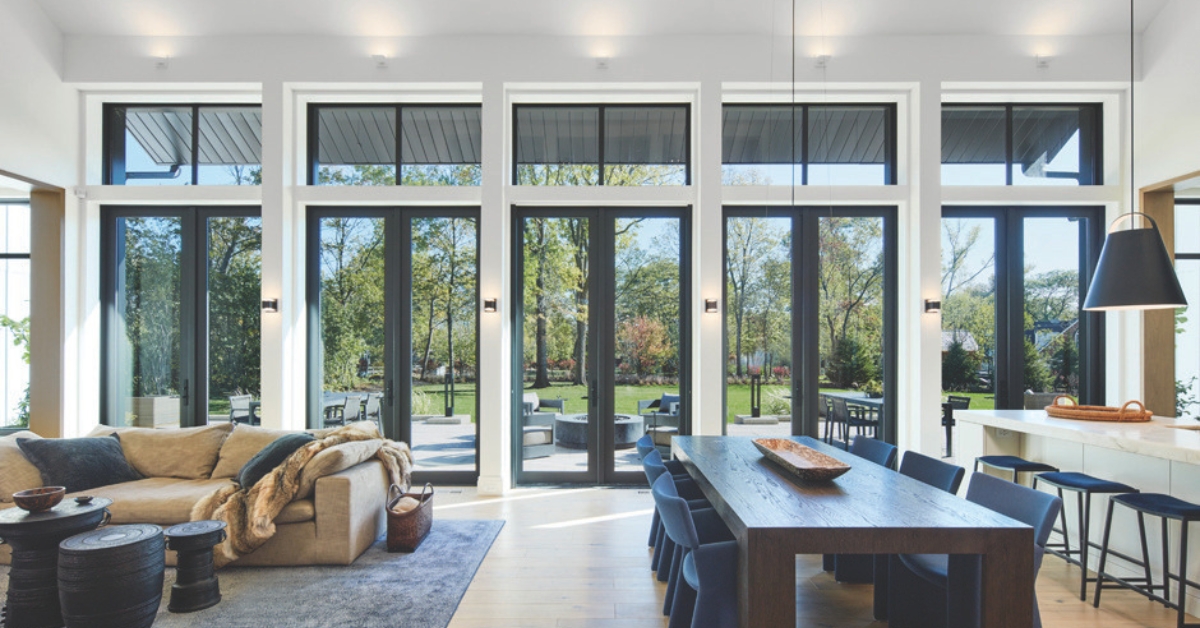
What is Biophilic Design: Bringing the Natural World Inside
Biophilic design is the most practically Canadian of the four philosophies. Its premise is simple: humans feel measurably better when connected to the natural world. Natural light, fresh air, organic textures, living plants, and views to the outdoors all contribute to our physical and mental wellbeing in ways that are increasingly well documented.
In home design terms, biophilic design means creating spaces that dissolve the barrier between the built environment and the natural one — architecture, materials, and layout working together to make a home feel genuinely alive. In 2026, biophilic home design has moved well beyond trend status in Canada. Homeowners are choosing earthy colour palettes of warm greens, sandy neutrals, and terracotta, using natural materials like wood, stone, and cork extensively, and above all, maximizing natural light year-round.
For Canadians specifically, biophilic design carries extra meaning. We live in one of the most naturally beautiful countries in the world, and our relationship with the outdoors — a backyard garden in Ontario, a Nova Scotia coastline, a view of the Rockies from a Calgary home — is deeply ingrained in who we are. Biophilic design is simply the philosophy of letting that relationship into the home.
Product Recommendation: The JELD-WEN JWC8500 Series with True Tri-Pane™ technology and Low-E glass delivers maximum natural light, year-round thermal comfort, and ENERGY STAR® recognized performance rated for 2030 Canadian building codes. Pair with JELD-WEN sliding patio doors to fully open your home to the outdoors.
Bringing It All Together
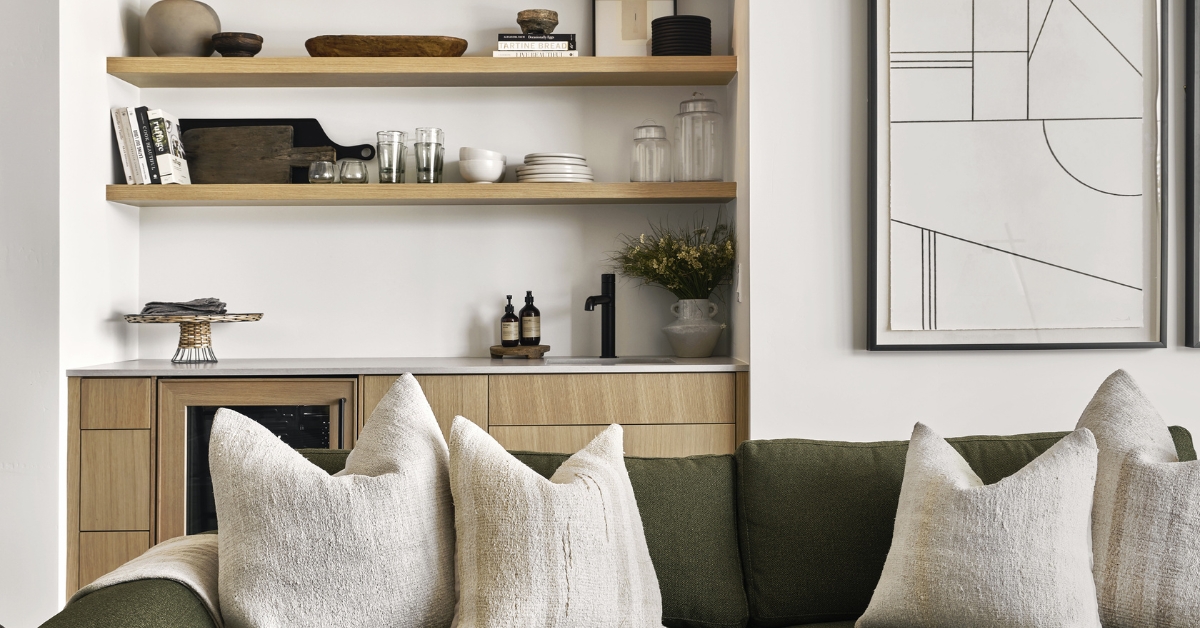
Scandi, Japandi, Wabi-Sabi, and Biophilic design are distinct in origin and aesthetic, but share a common belief: that a home should feel like a sanctuary. Whatever your style, the right windows and doors are where that vision begins.
At JELD-WEN of Canada, we design and manufacture windows and doors specifically for Canadian homes and Canadian climates. Built to perform through every season while enhancing whatever design direction you are pursuing.
Frequently Asked Questions
What is the difference between Scandi and Japandi design?
Scandi prioritizes brightness, white palettes, and the feeling of cozy warmth. Japandi adds darker earth tones, craftsmanship, and the quiet restraint of Japanese minimalism. Where Scandi feels light and airy, Japandi feels grounded and intentional. Both rely heavily on natural light, making window choice important for either direction.
What windows work best for a Japandi interior?
Dark-framed windows—black or charcoal—are the signature choice for Japandi design, adding bold contrast while maintaining clean sightlines. The JELD‑WEN JWC8500 Series in FiniShield™ black is a popular choice for Canadian homeowners pursuing the Japandi aesthetic.
What is Wabi‑Sabi interior design?
Wabi‑Sabi finds beauty in imperfection and the natural aging of materials—organic textures, natural materials, muted earthy tones, and spaces that feel honest rather than perfectly curated. It is particularly well‑suited to heritage homes and older Canadian properties.
What is biophilic design in a home?
Biophilic design brings the natural world into living spaces through natural light, organic materials, living plants, earthy colour palettes, and views to the outdoors. In a Canadian context, maximizing natural light through energy‑efficient windows is one of the most effective ways to achieve it.
How do I get more natural light in my home?
Replacing older windows with a slim‑frame, high‑glass‑area model makes the most immediate impact. The JELD‑WEN JWC8500 Series features a 26% slimmer frame than conventional windows, maximizing glass area and increasing natural light year‑round.


Filter by:
Explore Related Posts
